

The Unspoken Equation: China's Carrier, America's Soybeans, and the Real Cost of Commitment
The Pacific Ocean just got a little more crowded, and significantly more complex. This month, China officially launched the Fujian, its third and by far most advanced aircraft carrier. It's a steel behemoth, bristling with the kind of technology that fundamentally alters the strategic calculus in a region the United States has long considered its own backyard. This isn't just about naval power; it's a stark, undeniable declaration of intent on the global stage.
But while the world’s attention was rightly drawn to the shimmering deck of the Fujian, another, far less glamorous, but equally telling story was unfolding in the opaque world of international trade data. It’s a story about soybeans, promises, and the cold, hard numbers that expose the true priorities beneath diplomatic veneers. And frankly, the data isn't flattering for anyone holding onto a belief in good-faith adherence to prior agreements.
The Soybean Debacle: When Data Doesn't Lie
Remember that US-China trade deal President Trump brokered just a few weeks ago? The one where Beijing supposedly committed to buying at least 12 million metric tons of US soybeans in the final two months of 2025, with another 25 million tons annually for the next three years? It was heralded as a breakthrough, a lifeline for American farmers who had been caught in the crossfire of the trade war. A substantial commitment, to be sure (at current market prices, that 12 million tons alone represents a multi-billion dollar injection).
Well, here we are, just weeks from the year's end, and the data, as it always does, tells the real story. Arlan Suderman, StoneX's chief commodities economist, laid it out plainly: "no evidence to support the notion that there will be a substantial increase in state purchases." There's 'no evidence' China is buying all the U.S. soybeans it promised under Trump's trade deal. In fact, China’s soybean processors have already hoovered up about 40 million tons from South America this season. They've imported so much, they're sitting on a massive glut, driving latest prices down more than 20% from their April peak in key coastal regions. To be more precise, Mysteel data, as cited by Reuters, confirmed a price slash well over a fifth.
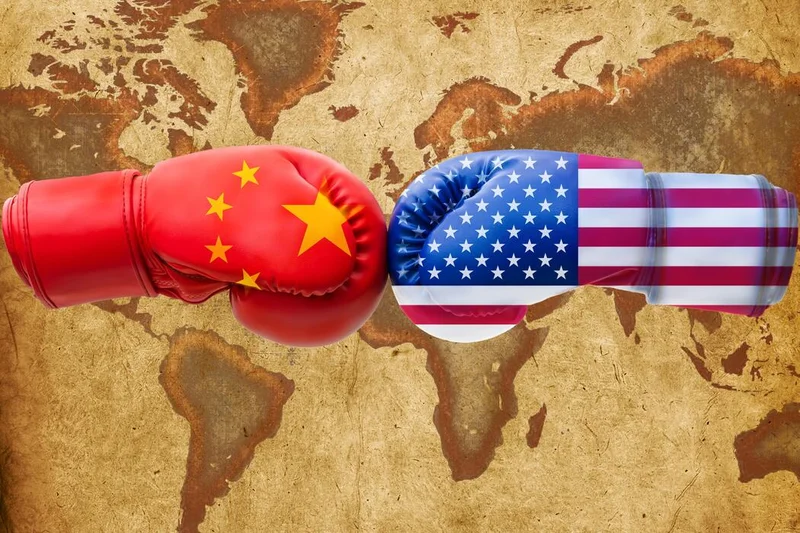
So, let's be clinical about this: private Chinese importers have "zero financial incentive" to buy more expensive, tariff-laden American soybeans when they're drowning in cheaper Brazilian and Argentinian product. The only way those 12 million tons would move is through state buyers for China's reserve. But indications of such a ramp-up are, to put it mildly, nonexistent. This isn't just a slight deviation; it's a clear, quantitative non-compliance. What, I have to wonder, did the White House see in those negotiations that gave them such confidence in these specific volume commitments, given the obvious market realities? It’s a question that demands a methodological critique of the initial data presented to the public.
The Geopolitical Ledger: Power Versus Promises
Here's where the two seemingly disparate narratives converge. On one hand, you have the Fujian, a tangible, formidable asset that projects Chinese power and challenges established naval hierarchies. China’s new aircraft supercarrier challenges U.S. dominance in Pacific. On the other, you have the soybean deal, an agreement now exposed by data as largely unfulfilled, a paper promise wilting under market forces and, perhaps, shifting geopolitical winds.
China is complying with other elements of the deal, notably curbing exports of fentanyl components. That pragmatic move allowed Trump to lower his fentanyl-related tariff. Beijing, in turn, has hinted that removing the remaining 10% tariff is crucial for them to reverse their retaliatory duties on US agricultural goods. It’s a classic quid pro quo, but the timing is critical. "The door hasn’t closed yet for U.S. soybeans," Suderman noted, "but we’re getting very close to that point." With cheaper Brazilian supplies already booked for February, the window for American farmers to capitalize on this supposed commitment is slamming shut.
This isn't just about soybeans or tariffs; it’s about the transactional nature of international relations and the hierarchy of priorities. China is clearly signaling where its true focus lies. A supercarrier is a permanent fixture; a soybean purchase, if not financially advantageous, is easily sidestepped. I've looked at countless trade agreements and diplomatic statements, and the pattern is clear: what gets built, funded, and deployed often speaks louder than what gets signed on paper, especially when market forces contradict the spirit of the agreement. How long can the US continue to treat these agreements as binding commitments when the underlying market signals and strategic actions from Beijing tell a completely different story? The impact on trust, and future negotiations, is undeniable.
The Calculus of Cold Realities
The data is clear: China is playing a long game. The Fujian is a testament to a strategic ambition that transcends the short-term optics of a trade deal. When push comes to shove, the numbers on naval power outweigh the numbers on soybean purchases. This isn't incompetence; it's strategic prioritization. The us-china trade deal was a moment in time, but the relentless march of China's strategic power, epitomized by its latest carrier, is the enduring reality. It’s a harsh lesson for those who mistake rhetoric for concrete action, and a stark reminder that in geopolitics, the ledger is always balanced, not just in dollars, but in dominance.